What Makes Timber Venetians a Perfect Choice for Australian Homes?
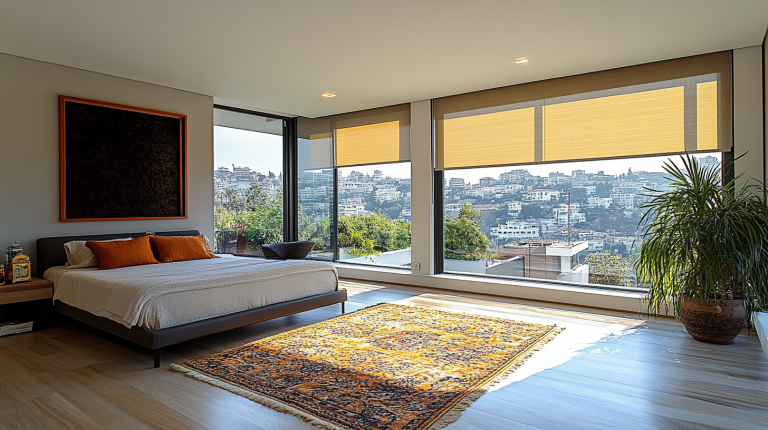
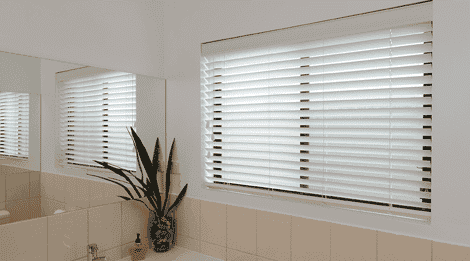
Timber venetians bring warm style and practical functionality to windows across Australia. With horizontal slats made from real wood, they deliver clean lines, privacy control, and precise light control that suits a wide range of rooms. The timber slats can be tilted to filter natural light, raised to clear a window opening, or lowered for full coverage, which helps manage light leakage and winter comfort. Many homeowners choose timber venetians because they create a sense of sophistication while staying functional in compact spaces, larger windows, bedrooms, and offices.
If you prefer a cohesive look throughout the house, timber blinds come in an extensive range of colours and slat sizes to suit different styles, from sleek modern interiors to classic spaces. The appearance of wood adds warmth that curtains or shutters may not always provide in the same way, and the crafted feel of quality blinds can elevate the room. When manufactured well and installed correctly, timber venetians remain a perfect choice for everyday operation, offering a durable solution with cords and tilt mechanisms designed for regular use.
How Do Venetian Blinds Balance Light Control and Privacy Control in Compact Spaces?
Venetian blinds are popular because they provide precise control over light and privacy. You can tilt the slats to fine-tune light, or fully raise and lower the blind depending on the time of day. In compact spaces, this flexibility is a major advantage, since you can keep the blind close to the window to save space while still allowing natural light in.
Consider the following to improve functionality and comfort:
- Slat width and light: Narrow slats reduce light leakage because the overlap is tighter, which can help in a bedroom where you want a dark setting at night. Wider slats allow more view when tilted open and can make a small room feel more open.
- Mounting and window opening: Inside mounting within the window opening creates a tidy, built-in look. Outside mounting can cover more area if your frame is uneven, and can reduce light gaps.
- Room use and materials: For bedrooms and offices, wooden blinds offer warmth and clean lines. For bathrooms or high-humidity zones, think carefully about material selection so the blind remains resistant to moisture.
- Safety for kids: Cords must be kept secure to reduce strangulation hazard. Make sure blind cords and chains are fitted with compliant safety devices and kept out of reach of children.
By tailoring slat width, mounting style, and cord safety, a venetian blind can provide excellent privacy control while preserving the natural light you want during the day.
What Sets Timber Venetian Blinds Apart from Wooden Venetian Blinds in Material and Appearance?
In everyday language, people often use timber venetian blinds and wooden venetian blinds to mean the same thing. The key differences usually come down to the material grade, how the wood is manufactured, and the finish. Blinds made from real wood can showcase grain patterns that create a warm, crafted look. Engineered or composite wood products may offer consistent colour and stability across a wide range of climates.
When comparing options, consider:
- Material and finish: Look for coatings that are resistant to peeling and are suitable for the expected humidity. Proper sealing improves durability and makes surfaces easier to maintain and dust.
- Slat construction: Some slats include small holes for cords that can allow pinpricks of light. Ask about design choices that minimise holes if light control is a priority.
- Hardware and cords: Quality tilt mechanisms and cord guides support smooth operation. Assess how the cord and tilt controls feel when raised, lowered, and adjusted.
- Appearance and suitability: Colours should match your room palette. Many homeowners choose lighter tones to brighten a bedroom and richer timber for living areas to create contrast.
If you are deciding between varieties of wood, weigh the balance of appearance, material performance, and the conditions in your space so the blinds suit both your style and practical needs.
How Should You Install Timber Venetian Blinds for Safe Operation and Long Durability?
To install timber venetian blinds correctly, measure the window precisely, confirm whether you want an inside or outside mount, and check that the brackets align with solid fixings. For safety and compliance in Australia, ensure any blind cords and chains are secured with appropriate devices that keep loops out of reach of children. Choose cord guides and cleats that are sturdy and properly fixed, and follow the installation instructions provided with the product.
A simple installation checklist can help:
- Measure carefully: Record width and drop in at least three points to account for variations in the window opening.
- Confirm controls: Decide which side you want the cord and tilt wand for convenient operation.
- Secure safely: Fit compliant cord guides or cleats to remove accessible loops and reduce risk for children.
- Test function: Before final tightening, raise and lower the blind, tilt the slats, and confirm smooth movement without scraping the frame.
- Seal and protect: In areas with humidity, ensure the finish and any cut ends are sealed according to instructions to maintain durability.
If you plan to install timber venetian blinds yourself, read the safety information first, then install with care. Where needed, use a qualified professional installer to ensure the blind is installed to a high standard.
When Are Aluminium Venetian Blinds More Suitable Than Timber?
Aluminium venetian blinds can be a better option in spaces that experience frequent humidity, such as bathrooms and laundries, or in some kitchens. Aluminium venetian blinds are resistant to moisture and are easy to wipe down, which can be an advantage where steam is common. Their slim profile and sleek appearance work well in compact spaces, and they are often suitable where simple functionality is the main goal.
A quick comparison can guide your choice:
- Humidity and cleaning: Aluminium is highly resistant in wet areas, while timber requires appropriate sealing and regular care to maintain appearance.
- Look and feel: Timber offers warm tones, grain, and a crafted look. Aluminium gives a contemporary, minimal style.
- Weight and size: Aluminium slats are lightweight and can be suitable for larger windows where a lighter blind reduces strain on hardware.
- Use cases: For bathrooms and utility rooms, aluminium may be preferable. For living rooms, bedrooms, and offices where warmth matters, timber is often the perfect choice.
Both types sit comfortably within a broad range of interiors. Choose based on material suitability, operation, and the feel you want to create.
What Defines Quality Blinds in Terms of Manufacture, Materials, and Functionality?
Quality blinds are defined by more than colour and style. Assess the manufacture and the materials behind the finish, the precision of the slat edges, the stability of the headrail, and the reliability of cords and tilt mechanisms. Consider whether the blinds were manufactured with stable timbers or quality aluminium, whether the coatings are resistant to humidity, and whether the hardware prevents premature wear.
Look for these markers of quality:
- Materials and finish: Durable coatings that resist peeling in everyday operation.
- Hardware and controls: Smooth tilt, reliable cord lock, and sturdy brackets that hold the blind square when raised or lowered.
- Fit and coverage: Correct sizing reduces gaps and light leakage.
- Energy comfort: Close-fitting blinds help retain winter warmth and reduce heat entry in summer. Pairing blinds with well-fitted curtains can further improve comfort and energy use.
- Safety devices: Cord guides and cleats that keep cords out of reach of children.
A well-designed Venetian blind brings real quality to a room. It should feel stable, operate smoothly, and maintain its appearance through daily use.
Which Venetian Blind Sizes, Slats, and Colours Suit Different Rooms and Windows?
Choosing sizes and colours is about matching function and style to the room. The slat width influences privacy and light control, while colours and finishes influence the feel of the space.
Guidelines to help you choose:
- Bedrooms and nurseries: Aim for reduced light leakage with narrower slats or outside mounting to cover gaps, and always secure cords to reduce risk to children.
- Bathrooms and laundries: If you love the look of timber, select finishes suitable for humidity and maintain ventilation. Otherwise, aluminium offers a practical alternative.
- Home offices and studies: Timber venetians provide warm, focused light with minimal glare when tilted correctly.
- Open plan living: Wider slats open the view and create a sleek, linear look.
- Colour and style: Neutral colours blend easily with existing furniture and curtain selections. Natural timber tones provide warmth, while crisp whites offer a clean look that suits many styles.
- Window scale: Large windows may need heavier-duty hardware and careful selection of slat width and weight for smooth operation.
Take time to explore the full range before you shop. Request samples to compare colour in morning and afternoon light, and confirm the blind will suit the window, the room, and your day-to-day routine.
How Do You Maintain and Care for Timber Blinds to Keep Their Sophistication and Warm Look?
Regular care helps timber blinds retain their crafted appearance. Use a soft brush or a damp cloth to remove dust along the slat, including the edges where dust accumulates. Keep cords and cord locks free of grit so the mechanism stays smooth.
Care tips to maintain quality and durability:
- Routine cleaning: Lightly dust weekly, and use a slightly damp cloth for deeper cleans. Dry the slats promptly.
- Humidity management: In bathrooms and kitchens, maintain good airflow to manage humidity so the material remains stable.
- Protection: Avoid harsh chemicals that can damage coatings. If any surface finish becomes damaged, follow the manufacturer’s guidance to restore protection.
- Operation: Raise, lower, and tilt gently to preserve the mechanism.
- Allergy-friendly habits: Regular cleaning reduces dust accumulation, which may help sensitive occupants.
With simple upkeep, timber venetians keep their warm look through winter and summer, sustaining both style and functionality over time.
Would You Like a Made-to-Measure Result with Expert Advice?
For a tailored, custom solution that fits your window perfectly and suits your room, explore the options and book a free in-home measure and quote withHarlequin Blinds & Security. The team can help you compare timber venetians, aluminium venetian blinds, and other quality blinds, then recommend colours, slat sizes, and safe cord setups that suit your house. If you want push-button convenience, ask about motorisation options for compatible blinds and how they can work in your rooms. Call today at 617-547-69888.
Final Thoughts
Timber venetians combine style, control, and comfort in a single, functional window covering. By choosing the right material and finish, confirming correct sizing, fitting child-safe cord solutions, and following simple care steps, you will enjoy a long-lasting result that enhances light control, privacy, and the overall look of your home or office. Whether you want a sleek modern feel or a warm, crafted finish, the right venetian blind can transform the space.
Works Cited
Australian Competition and Consumer Commission. Blinds, Curtains and Window Fittings Mandatory Standard. Product Safety Australia, 2014, https://www.productsafety.gov.au/business/search-mandatory-standards/blinds-curtains-and-window-fittings-mandatory-standard. Accessed 16 Nov. 2025.
Australian Competition and Consumer Commission. Corded Internal Window Coverings: Installation Guide. Product Safety Australia, 2014, https://www.productsafety.gov.au/about-us/publications/corded-internal-window-coverings-installation-guide. Accessed 16 Nov. 2025.
Department of Climate Change, Energy, the Environment and Water. “Windows.” Energy.gov.au, https://www.energy.gov.au/households/windows. Accessed 16 Nov. 2025.
Department of Climate Change, Energy, the Environment and Water. “Households.” Energy.gov.au, https://www.energy.gov.au/households. Accessed 16 Nov. 2025.
Sustainability Victoria. “Home Windows and Shading for Energy Efficiency.” State Government of Victoria, https://www.sustainability.vic.gov.au/energy-efficiency-and-reducing-emissions/building-or-renovating/build-for-energy-efficiency/key-principles-of-energy-efficient-design/windows-and-shading. Accessed 16 Nov. 2025.
YourHome. “Shading.” Australian Government, https://www.yourhome.gov.au/passive-design/shading. Accessed 16 Nov. 2025.
Government of Western Australia. “Blind and Curtain Cord Safety.” Consumer Protection WA, https://consumerprotection.wa.gov.au/blind-and-curtain-cord-safety. Accessed 16 Nov. 2025.
Frequently Asked Questions:
How do I choose the right slat width and colour for my windows?
Narrow slats reduce light leakage and suit bedrooms; wider slats open the view and suit living areas. Pick a colour that matches your room palette—natural timber tones add warmth, while crisp whites create clean lines.
What should I check before I install timber venetian blinds?
Measure the window opening in at least three points, decide on inside or outside mount, choose the side for the cord and tilt control, fix brackets to solid points, and fit compliant safety devices for blind cords before testing raise, lower, and tilt.
How do I keep timber venetians clean and in good condition?
Dust weekly with a soft brush and use a slightly damp cloth for deeper cleans, then dry promptly. Avoid harsh chemicals, manage humidity, and operate gently to preserve the mechanism and finish.
Are there child-safe options for cords, or can I avoid cords altogether?
Yes. Fit compliant cord guides or cleats to keep cords out of reach and reduce strangulation hazard. If you prefer fewer accessible cords, ask about motorisation options for compatible blinds during your measure and quote.