What Makes Honeycomb Cellular Blinds a Perfect Solution for Year-Round Comfort on the Sunshine Coast?
Honeycomb cellular blinds use a unique honeycomb structure to form enclosed air pockets inside each cell. Those air pockets act as a thermal barrier that improves insulating properties at the window, helping keep a home warm in winter and cooler in summer. If you are managing bright sunlight, coastal breezes, and shifting temperatures, cellular blinds offer a practical path to superior energy efficiency without giving up style. They are made to measure for each window type, available in a wide range of colours and fabric types, and can be configured for ultimate control of natural light and privacy control.
Compared with many other blinds, honeycomb blinds work by using a cell structure that traps air, slowing heat loss through the glass and softening glare at the same time. That honeycomb can also add gentle sound absorption in busy living areas. For Sunshine Coast homes balancing coastal heat, afternoon sunlight, and year-round comfort, honeycomb cellular blinds are an ideal choice that supports energy efficiency, comfort, and everyday ease of use.
Quick benefits at a glance
- Enhanced thermal insulation from the honeycomb construction
- Energy-efficient blinds that help reduce energy bills and energy costs
- Natural light management with options from sheer fabrics to blockout fabrics
- Made-to-measure sizing for any window, including large windows
- Minimal maintenance for busy households
How Does the Unique Honeycomb Structure Trap Air to Create a Thermal Barrier and Superior Insulation?
The unique construction is available in single-cell and double-cell layouts. In both cases, the honeycomb shades create enclosed air pockets that trap air between the room and the glass. Because air is a poor conductor of heat, the layered cell structure slows heat transfer. The result is enhanced thermal insulation that reduces heat loss during winter and moderates heat gain during summer. A double cell fabric adds a second chamber that can improve superior insulation in rooms that face strong sun or cold winds.
Because each fabric cell runs continuously across the blind, a careful, made-to-measure installation helps minimise light gaps. The neat stack and closed cell edges also help reduce draughts around the window. Many households notice that rooms feel more stable in temperature across the day and night.
Why this matters
- The thermal barrier effect can lower cooling costs in summer
- Reduced heat loss that can keep a home warm in winter
- Fewer draughts around the frame for year-round comfort
Which Fabric Types and Light Filtering Fabrics Deliver Ultimate Control of Natural Light and Privacy Control?
Honeycomb cellular blinds come in fabric types that range from sheer fabrics to light filtering fabrics and blockout fabrics. Sheer fabrics soften light while keeping views to the outside, which suits living areas that need gentle sunlight. Light filtering balances brightness and privacy, which works well in multipurpose rooms where you want daylight without harsh glare. Blockout fabrics support light blocking for bedrooms and media rooms where complete privacy is important.
When you select fabric, think about how you use the room, the orientation of the window, and the time of day you need control. Pairing the right fabric with the right cell size helps you achieve ultimate control of light, warmth, and privacy without compromising style.
Fabric selection checklist
- Sheer fabrics for daytime glow and soft views
- Light filtering for daily tasks with fewer shadows
- Blockout fabrics for sleep, shift work, or full light blocking
- Anti-static finishes that resist dust and support minimal maintenance
Should You Choose Single-Cell or Double-Cell Cellular Shades, and What Cell Size Options Suit Each Window Type?
Both single-cell and double-cell options have strengths. Single-cell fabrics provide reliable insulation with a slimmer profile that suits narrow reveals or smaller frames. Double cell fabrics add a second air pocket that can deliver superior energy efficiency where the window faces direct sunlight or coastal winds. Your decision often comes down to the window type, the room’s comfort needs, and the look you prefer.
Cell size options influence both performance and appearance. A larger cell size can look bold on big spans and may boost insulating performance by increasing the volume of air inside each honeycomb. A smaller cell size can appear neat on compact windows and in heritage trims.
How to match cells to the space
- Small windows: single cell, smaller cell size for a tidy look
- Large windows: double cell or larger cell size for stronger visual lines and insulation
- Hardworking rooms: choose the layout that delivers superior insulation, privacy control, and easy operation
How Do Day Night Combinations Balance Light Filtering and Complete Privacy Without Noticeable Light Gaps?
A day-night style pairs light filtering and blockout fabrics on one system, depending on product selection, so you can move from daytime glow to evening privacy with one control. You can raise or lower each panel to blend natural light with privacy as the day changes. With correct measuring and made-to-measure installation, the system helps minimise light gaps along the edges so you can achieve complete privacy at night while still enjoying soft daylight during the morning.
When day night is most useful
- East or west-facing rooms that change quickly with sunlight
- Street-facing living areas where privacy shifts from day to night
- Multi-use spaces that need both soft light and full light blocking
Why Are Cellular Blinds an Energy Efficient Choice for Reducing Energy Bills, Energy Costs, and Cooling Costs in Summer and Winter?
Windows are one of the most active pathways for heat to enter or leave a home. Cellular blinds reduce that transfer by forming a thermal barrier that traps air inside each cell. This can lower cooling costs in summer and reduce heating needs in winter. Over the year, that added control helps stabilise room temperatures, which supports energy efficiency and comfort.
Energy-efficient blinds sit neatly within an energy-layered approach. Pairing cellular blinds with sensible daily habits helps you build superior energy efficiency across the whole home.
Simple habits that support performance
- Close blinds before the hottest part of the day in summer
- Open them to welcome the winter sun, then close before the evening cold
- Combine with sensible ventilation and ceiling fans for efficient comfort
- Consider blockout fabrics for bedrooms that overheat in the afternoon
What Design, Colours, and Made-to-Measure Options Fit Large Windows and Living Areas in a Sunshine Coast Home?
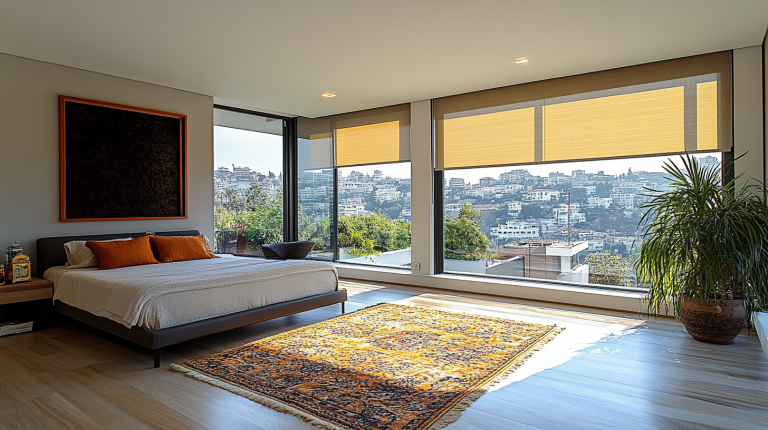
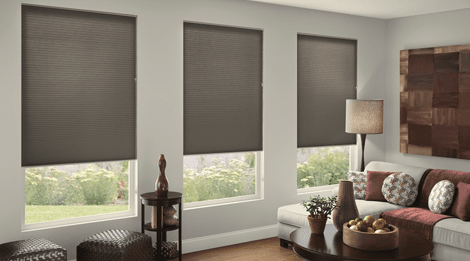
Style matters as much as performance. Cellular shades are available in a wide range of colours that complement coastal palettes, from calm neutrals to contemporary highlights. The crisp pleats create clean lines that suit modern and classic interiors. Because the blinds are made to measure, they fit closely to the frame, which reduces light gaps and supports the insulating effect.
For large windows in living areas, consider sturdy hardware and a cell size that looks balanced across the opening. If you like flexible control, selected configurations can let in light from above while maintaining privacy below, confirm availability during your free in-home measure and quote. If you prefer the most streamlined look, a cordless option removes dangling cords and keeps the window clear.
Can Smartphone App Controls and a Cordless Option Improve Child Safety and Everyday Ease?
Yes. Many cellular blinds can be specified with motorised operation that handles daily lifting and lowering for wide spans. Controls can be set on a remote or a smartphone app for simple scheduling. Motorisation removes pull cords, which supports child safety and a clean finish. In busy households, fingertip control encourages consistent use, which helps you get the most from the insulating properties day and night.
How Can You Care for Cellular Blinds With Minimal Maintenance While Comparing Them to Roller Blinds and Pleated Blinds?
Honeycomb cellular blinds are built for minimal maintenance. Anti-static finishes help resist dust, so regular light care is usually enough. A quick pass with a feather duster keeps the pleats tidy. For stubborn dust inside the pleat, simply blow through with a hair dryer on a cool setting. Spot marks may be addressed with a damp, lint free cloth. Always test in an inconspicuous area and follow the product guidance supplied at installation. Care guidance is confirmed at installation during your measure and quote so your blinds perform as intended.
When compared with other styles, cellular blinds stand out because their cell structure traps air within the fabric body, boosting insulation while still providing refined control of natural light. Roller blinds offer a sleek look and straightforward light control with a single fabric panel, which is excellent for simple privacy needs. Pleated blinds use a single pleat without enclosed air pockets, creating a similar look to cellular blinds yet without the same insulating properties. For a side-by-side recommendation that fits your rooms, ask during your free in-home measure and quote.
Book a Free Measure & Quote: Get local advice, a precise made-to-measure fit, and seamless installation from Harlequin Blinds & Security. Call today at +61 7 5476 9888.
Final Thoughts
Honeycomb cellular blinds combine unique construction, smart fabric choices, and flexible control to deliver superior energy efficiency, light control, and privacy across the seasons. The honeycomb traps air to create a thermal barrier that reduces heat loss in winter and helps manage heat in summer. With options like day-night layouts, cordless operation, and smartphone app control, you can tune each window to the way you live. When the blinds are made to measure and installed with care, you get a clean look, strong performance, and a comfortable home year-round.
Works Cited
Australian Building Codes Board. Your Home: Windows and Glazing – Passive Design Guidance. Commonwealth of Australia, 2023.
Department of Climate Change, Energy, the Environment and Water. Household Energy Efficiency Tips. Australian Government, 2024.
Energy Rating. Shading and Window Coverings: Reducing Heat Gains and Losses. Australian Government Program, 2024.
Sustainability Victoria. Windows: Improve Comfort and Reduce Energy Use. State Government of Victoria, 2024.
YourHome. Shading and Daylighting Strategies for Australian Homes. Commonwealth of Australia, 2023.
Frequently Asked Questions:
How Much Can Honeycomb Cellular Blinds Help With Energy Efficiency In A Coastal Climate?
The unique honeycomb structure traps air to form a thermal barrier that slows heat transfer through the window. This helps stabilise room temperatures, which can reduce cooling costs in summer and heat loss in winter. Daily habits support the result. Close blinds before the hottest part of the day, open to welcome winter sun, and choose light filtering fabrics or blockout fabrics to fine tune natural light and privacy control while managing energy bills.
Can Day Night Honeycomb Blinds Provide Daytime Light And Complete Night Privacy?
Yes, a day night style pairs a light filtering fabric with a blockout fabric on one system, depending on product selection. During the day you get gentle light without glare, and at night you can achieve complete privacy. A precise, made to measure installation helps minimise light gaps so the combination delivers ultimate control in bedrooms, street facing living areas, and home offices.
What Are The Best Cleaning Tips To Keep Cellular Blinds In Good Condition?
Cellular blinds are designed for minimal maintenance. Use a feather duster for routine care and an anti static finish helps reduce dust build up. For fine dust in the pleats, simply blow through with a hair dryer on a cool setting. Spot clean with a damp, lint free cloth and avoid crushing the cells so the air pockets continue to perform. Care guidance is confirmed at installation during your measure and quote.
Are Honeycomb Cellular Blinds Safe And Convenient For Families With Children Or Pets?
A cordless option removes dangling cords for improved child safety and a clean look. Motorised operation can add everyday convenience, with simple controls on a remote or a smartphone app. Easy, consistent operation encourages regular use, which helps you get the most from the insulating properties year round while keeping living areas comfortable and tidy.