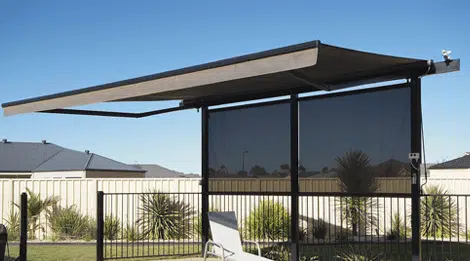
On the Sunshine Coast, outdoor living is part of normal life. The challenge is keeping patios, balconies, and outdoor living areas comfortable when the sun is strong, the heat builds fast, or a quick shower rolls through. Retractable awnings are popular because they provide shade when you need it, then retract to bring back open sky and light. This guide explains how to plan, choose, and maintain retractable awnings so they suit Australian conditions, look good, and stay practical year round for private residences and commercial spaces.
What Makes Retractable Awnings a Smart Shade Choice for Sunshine Coast Outdoor Areas?
Retractable awnings are a shade system built around control. You extend the canopy to provide shade across outdoor areas, then retract it when you want sunlight, airflow, or a clear view. That flexibility is why many private residences choose retractable awnings instead of stationary awnings, especially when one outdoor space needs to do many jobs.
In real homes, you might use patio awnings to cover a dining table, shade awnings to keep kids’ play areas cooler, or window awnings to reduce glare through windows. In residential and commercial properties, the goal is the same: better outdoor comfort and more time outside without feeling baked by the sun. When shade is easy to adjust, outdoor living becomes less “weather dependent” and more everyday.
How Do Arm Awnings and Folding Arm Awnings Create Flexible Shade?
Arm awnings project outward while keeping the floor area underneath clear. That means no posts in the middle of your patios or walkways, which makes them an ideal solution for entertaining and access.
Folding arm awnings are one of the most common retractable awnings for wider openings and outdoor living areas. The folding arm mechanism extends smoothly and then tucks away neatly. A major benefit is adjustability: with the right setup, you can angle the canopy to block low afternoon sun or create flexible shade across different times of day.
This style works well for outdoor space planning because it improves comfort without permanently changing how you use the area. It is also popular for commercial properties that need shade during busy hours.
What Should You Look For in Awning Fabric for Australian Conditions?
Awning fabric takes the brunt of UV exposure, salt air, dust, and day-to-day weather conditions. For Australian conditions, prioritise weather resistant fabrics and uv resistant materials that are made to handle a harsh Australian climate while holding their colour and style.
Fabric choice affects comfort immediately. Better sun protection reduces glare and helps keep the air under the canopy cooler. It can also help with energy efficiency by shading nearby windows, which reduces heat entering the home during peak afternoon sun.
Look for high quality materials that are water resistant for splashes and light rain, and choose colours and patterns that suit your outdoor living vibe. The right awning fabric should feel like premium sun protection, not a fragile add-on. It should also be easy to clean so upkeep stays minimal hassle over the long run.
How Does a Cassette Awning Improve Protection and Longevity?
A cassette awning is designed to protect the canopy when it is retracted. Instead of leaving the rolled fabric exposed, cassette systems house it inside a hood or cassette. That extra cover can help keep the awning cleaner and support lasting durability, especially in coastal areas where grit and salt can settle on everything.
If you want a more streamlined look when the awning is closed, or you want extra safeguarding between uses, a cassette awning is worth considering. It supports full protection for the parts that typically show wear first, and it can be a smart upgrade in a premium range because it helps the system stay neat and functional for longer. In short, it is one of the simplest ways of protecting outdoor areas by keeping the awning itself in better condition.
When Is a Motorised Retractable Awning Better Than Manual Awnings?
Manual awnings are a solid option when you want a simple approach. They are usually manually operated with a crank handle, and for smaller spans they can feel straightforward and dependable.
A motorised retractable awning is about greater convenience. Motorised awnings can deliver effortless operation for daily use, especially when you are extending shade often or managing a larger area. Many people also like the comfort features that can come with motorised retractable setups, including wind sensors and heat-based automation that responds to changing conditions.
Use this quick guide:
- Choose manual awnings if you prefer simpler controls and you do not mind operating them yourself.
- Choose a motorised retractable awning if you want smooth daily control and easier adjustments.
- Consider wind sensors if unpredictable weather or high winds are common where you live.
- If you use your space at night, options like LED lighting can add comfort and usability.
How Can Outdoor Awnings Improve Outdoor Living and Energy Efficiency?
Outdoor awnings make outdoor living easier because they reduce direct sun and cut down the “too hot to sit there” feeling. Shading patios and outdoor living areas can also protect furnishings from uv exposure and reduce glare, which helps the space feel calmer.
There is an indoor bonus too. By shading windows, awnings can reduce heat build-up in adjacent rooms, supporting energy efficiency during hotter months. This is useful across private residences and commercial properties where comfort matters for family routines, customers, and staff.
The key is matching the right awning to how the space is used. Some outdoor spaces need wider coverage for gatherings, while others need targeted shade for a reading chair or a walkway. With an extensive range and extensive selection available, your shade system should balance outdoor comfort, aesthetic appeal, and practical performance.
Are Retractable Awnings Waterproof and What Helps in Unpredictable Weather?
You will often see searches like retractable awnings waterproof, but it helps to think in realistic limits. A retractable awning can handle light rain when it is set at the right angle, and some setups can act as a rain shelter in calm conditions. Problems begin when heavy rain arrives with strong winds.
No fabric awning should be expected to withstand strong winds while extended. If conditions shift, recommend retracting the canopy to reduce stress on arms, brackets, and fabric. In areas with fast-changing weather conditions, a motorised retractable setup paired with wind sensors can help retract automatically when gusts build, which supports safer everyday use year round.
How Do You Plan Installation and Maintenance for Year Round Outdoor Comfort?
Good results start with planning. Think about sun direction, shade coverage, and how people move through the space. Patios often need wider protection for dining and lounging, while balconies may need a slimmer projection with a steeper pitch to block late-afternoon sun. Window awnings can focus on shading windows while still keeping your outlook pleasant.
Maintenance should stay simple:
- Rinse off salt and dust build-up, especially after windy days.
- Clean the awning fabric using mild soap and water, then rinse well.
- Let the canopy dry before retracting so moisture does not sit in the roll.
- After storms, check that operation remains smooth and fittings look secure.
If you want a shade system that suits Sunshine Coast conditions and feels easy to use, speak with the friendly team at Harlequin Blinds & Security. They can help you compare retractable awnings, arm awnings, folding arm awnings, and motorised retractable options so you end up with the right awning for your outdoor space and lifestyle.
Final Thoughts
Retractable awnings can transform outdoor comfort without turning your home into a permanent structure. When you choose suitable awning fabric for Australian conditions and use common-sense habits like retracting during high winds, you get flexible shade that supports outdoor living year round. Whether you prefer manual awnings or the greater convenience of a motorised retractable awning, smart planning and light maintenance help your awnings stay reliable, attractive, and comfortable through various weather conditions.
Works Cited
Australian Building Codes Board. National Construction Code (NCC). Australian Building Codes Board, current edition.
Australian Radiation Protection and Nuclear Safety Agency. “The UV Index.” ARPANSA, accessed 16 Feb. 2026.
Bureau of Meteorology. “UV Index.” Australian Government Bureau of Meteorology, accessed 16 Feb. 2026.
Safe Work Australia. “Ultraviolet Radiation.” Safe Work Australia, accessed 16 Feb. 2026.
Standards Australia. AS/NZS 1170.2: Structural Design Actions, Part 2: Wind Actions. Standards Australia, current edition.
YourHome. “Shading.” Australian Government YourHome, accessed 16 Feb. 2026.
Harlequin Blinds & Security. “Outdoor Awnings Sunshine Coast.” Harlequin Blinds & Security, accessed 16 Feb. 2026.
Harlequin Blinds & Security. “Folding Arm Awnings Sunshine Coast.” Harlequin Blinds & Security, accessed 16 Feb. 2026.
Harlequin Blinds & Security. “Auto Guide Awnings.” Harlequin Blinds & Security, accessed 16 Feb. 2026.
Frequently Asked Questions:
Can Retractable Awnings Handle Rain on the Sunshine Coast?
Retractable awnings can cope with light rain when installed with the correct pitch so water runs off. In heavy rain, or when rain comes with strong winds, it is best to retract the awning to protect the arms, fabric, and fixings.
What Is the Best Way to Clean Awning Fabric Without Damaging It?
Use mild soap and water, then rinse well. Avoid harsh cleaners and high-pressure washing because they can weaken weather resistant fabrics over time. Let the canopy dry before retracting to prevent moisture being trapped in the roll.
Are Manual Awnings Practical for Daily Use?
Manual awnings are practical when the span is smaller and you are comfortable operating a crank handle. If you extend and retract often, or the awning is wide, a motorised retractable awning usually provides greater convenience and more effortless operation.
Do Motorised Awnings Need Sensors to Be Safe in Unpredictable Weather?
Wind sensors are not mandatory, but they are helpful in areas with unpredictable weather and high winds. They can retract motorised awnings automatically when gusts increase, which reduces the risk of damage when you are not watching the forecast.
How Do I Choose the Right Awning for Patios, Windows, or Balconies?
Start with how you use the outdoor space and where the sun hits during peak heat. Patio awnings suit entertaining zones, window awnings help reduce heat and glare through windows, and folding arm awnings are ideal for open outdoor areas because they provide shade without posts. A cassette awning can add extra protection when retracted, supporting lasting durability year round.