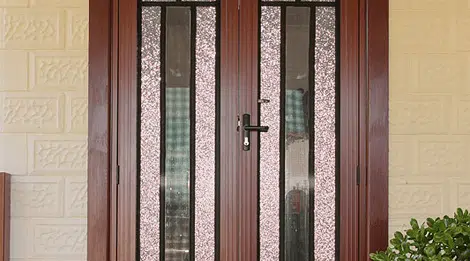
A hinged cast panel door can be one of the most practical upgrades you make to your entryway because it blends security, privacy, and visual appeal in one complete system. If you are choosing a security door for a residential home in Australia, you usually want three things at the same time: a strong door that helps protect your family, a design that suits your style, and straightforward upkeep so the door keeps performing for years.
This guide walks you through what matters most, using simple language and real-world checks. It also reflects the same core features and options described on the Harlequin Blinds & Security hinged decorative cast panel doors page, so you can make decisions with clarity and confidence.
What Is a Hinged Cast Panel Door and What Makes It a Security Door?
A hinged cast panel door is a security door that opens on hinges and uses decorative cast metal panels to create a unique, impressive look. The panels often show patterns with intricate detailing, which is why these doors can look ornate and grand while still being built for security and functionality.
The practical difference is that the design is not “just for looks.” A hinged cast panel door is meant to add security and privacy, while also improving the overall appearance of your home. It is also described as low maintenance protection and suitable for both the interior and exterior sides of entrances.
Before you pick from an extensive range, take a minute to think about what your entry actually needs:
- Security needs: Do you want more protection from unwanted intrusions at the main door?
- Privacy level: Do you want people to see through the door easily, or do you prefer more privacy?
- Daily use: Is this door opened often, and do you need smooth functionality for kids or deliveries?
- Fit and opening: Does the door swing into a clear space, and does the frame area look solid?
This small check helps you choose a door that fits the way you live, instead of choosing only by design.
How Do Traditional and Contemporary Designs Influence Visual Appeal, Privacy, and Style?
Traditional and contemporary designs are popular because they can suit almost any home. Some homeowners prefer a traditional look, sometimes with colonial-inspired details, while others want modern, clean styles. Many homes sit in the middle, and that is where traditional and contemporary designs work well because you can choose patterns that feel timeless.
A simple way to decide is to match the door design to the most noticeable features of the house:
- If your home has classic trims and details, a more traditional pattern often suits.
- If your home has simple lines and minimal trim, contemporary designs can look ideal.
- If your home mixes old and new, a traditional and contemporary blend can feel balanced.
Privacy is also tied to the design. Some patterns allow more clarity through open areas, while other patterns create a more private feel from the street. When you choose a style, ask yourself how you want the entryway to feel, not just how it looks. The right selection gives comfort and peace of mind, not second thoughts.
Colour also matters. Many people like black for a modern finish, while others prefer a lighter colour to match windows or trims. The goal is for the door to suit your home, rather than feeling like a separate add-on.
Why Do Aluminium Cast Panels and Cast Aluminium Deliver Strength and Durable Performance?
One reason hinged decorative cast panel doors stand out is the way the panels are made. Cast aluminium panels combine metal strength with detailed design, which helps explain why these doors are described as characteristically strong and durable.
Harlequin’s page also highlights two key performance points that matter for long-term durability:
- Their security doors feature 7mm security grilles made from specially tempered aluminium for greater strength.
- The doors are described as never rusting due to the gravity die casting process, which supports rust resistance in everyday use.
That rust point matters in Australia, especially in areas where weather and humidity are a constant. A corrosion resistant approach starts with the material choice and continues with proper care.
You also asked me to include “coated” and “powder coated.” Here is the clear, mistake-free way to think about that: in the broader world of aluminium products, you may see finishes described as coated or powder coated, but for the hinged decorative cast panel door page specifically, the stated finish option is a range of pre-finished colours.
You also asked for “recyclable aluminium.” Aluminium is widely considered recyclable in Australia, but that is a general materials note, not a product promise you should assume for any single door without checking product details.
Which Features, Hinges, Panels, and Frame Options Create a Complete Hinged Doors System?
A security door works best when it is treated as a complete system: panels, hinges, frame, and locking. If one part is weak, the whole door can underperform, even if the design looks great.
On the hinged decorative cast panel doors page, the key features and options to pay attention to include:
- 3 point hinging as standard, which supports a secure closure.
- Mesh options, including restricted vision mesh for privacy.
- 3-point locking as an option.
- Premium heavy duty frames available, which matters for durability and long-term fit.
- Keyed alike to existing doors (if compatible), which can simplify everyday use.
- A range of pre-finished colours so you can customise the look.
When you are comparing a range of styles, use this quick checklist. It keeps your mind on what matters:
- Are the hinges appropriate for a heavier door and installed square?
- Does the door close smoothly into the frame without rubbing?
- Do the panels sit neatly and feel sturdy?
- Does the lock engage cleanly without forcing it?
These checks support real performance. They also reduce wear over time, which helps keep the door durable and functioning well.
When Should You Choose Sliding Doors Instead of Hinged Doors for an Entryway?
Not every opening suits the same door type. Hinged doors are a classic choice for front entrances because they give a solid close, a familiar feel, and strong day-to-day functionality.
But sometimes sliding doors suit a home better, especially when space is tight. A sliding door can reduce swing-space issues and can be useful for wide openings. French doors can be a design-forward choice for wider openings too, though they involve two moving leaves and more hardware points to manage.
Here is a simple layout guide:
- Hinged doors suit most single entryways and give a straightforward, secure closure.
- Sliding doors can work well where a swing would block a walkway or furniture.
- French doors can look beautiful on wider openings when you want symmetry and strong design.
This section is about choosing what fits. A door should not only look good, it should function easily in real life, every day.
How Do Security Mesh, Stainless Steel, and Stainless Steel Security Terms Relate to Door Protection?
Security mesh is often chosen because it can support airflow while still helping protect the home. On the hinged decorative cast panel doors page, one of the key privacy-related options is restricted vision mesh.
You also asked me to include “stainless steel” and “stainless steel security.” These are common terms people hear when shopping for security products, because stainless steel is often associated with strength and long-term durability. The important thing, though, is not the buzzword. The important thing is whether the door system is engineered to protect the entryway as a whole, with the right hinges, frame, and locking.
You also asked for “perforated aluminium sheet” and “fibreglass.” These can come up in broader conversations about screening materials and applications:
- A perforated aluminium sheet can be used in some screening contexts where airflow and privacy are balanced differently.
- Fibreglass is commonly linked to insect screening conversations, but it is not something you should assume is used for security.
The takeaway is simple: treat “mesh” as a performance choice, not just a look choice. Ask how the mesh choice affects privacy, clarity, and the overall strength of the door.
How Can Contemporary Designs and Traditional and Contemporary Patterns Suit Different Homes?
A big reason people choose cast panel doors is that they do not force you into one look. There is a multitude of patterns and styles that can suit homes across different eras. Some people want a traditional design that matches a heritage feel, while others want modern lines that match newer builds. Many prefer a traditional and contemporary balance.
To keep your choice practical:
- Pick patterns that suit both your exterior and the interior view.
- Think about how the design will look at night with lights on inside.
- Choose a style that still suits if you repaint later.
Remember, these doors are described as able to be tailored by customising the size, colour, and structure, which is useful if your opening is not standard.
If your project involves an extension, renovation, or a change to how the doorway is used, make sure the new door still fits the opening correctly and supports everyday functionality.
What Maintenance and Compliance Steps Help Protect Long-Term Durability in Australia?
Even a strong door needs simple care to stay at its best. Harlequin’s maintenance guidance is clear and easy:
- Regularly inspect hinges and screws and tighten if required.
- Lubricate moving parts with a lightweight oil or grease every 3 to 6 months to help prevent wear.
- Be gentle if removing the door from the frame, because these doors are usually heavier than standard ones due to extra detail.
That routine supports durability and helps protect the finish and moving parts. It also supports the door’s performance as part of your home security plan.
You asked for “tested,” “standard,” and “compliance.” In practical terms, a compliance-minded approach means this:
- Ensure the door is fitted correctly into a sound frame.
- Ensure locks and operation remain safe and usable.
- Keep product and installation information for your records.
These steps support long-term confidence and help your home feel secure.
If you want help choosing the right hinged cast panel door for your home, book a FREE MEASURE & QUOTE through Harlequin Blinds & Security. You can also call 07 5476 9888 or visit the showroom at 5/46 Enterprise St, Kunda Park, QLD to view options in person.
Final Thoughts
A hinged cast panel door can deliver the balance most homeowners want: strength, design, privacy, and a secure closure that supports peace of mind. When you focus on the complete system, including hinges, frame, panels, and mesh choices, you end up with an entryway solution that looks unique, fits your home properly, and keeps performing over time.
Works Cited
Harlequin Blinds & Security. “Hinged Decorative Cast Panel Doors.” Harlequin Blinds & Security, https://harlequinblindsandsecurity.com.au/security/hinged-decorative-cast-panel-doors/. Accessed 2 Feb. 2026.
Harlequin Blinds & Security. “Security Doors & Screens.” Harlequin Blinds & Security, https://harlequinblindsandsecurity.com.au/security/. Accessed 2 Feb. 2026.
Australian Building Codes Board. National Construction Code (NCC). Commonwealth of Australia, https://ncc.abcb.gov.au/. Accessed 2 Feb. 2026.
Australian Competition and Consumer Commission. “Consumer Rights and Guarantees.” ACCC, https://www.accc.gov.au/consumers/buying-products-and-services/consumer-rights-and-guarantees. Accessed 2 Feb. 2026.
Frequently Asked Questions:
What is the difference between a hinged cast panel door and other security doors?
A hinged cast panel door uses decorative cast aluminium panels to create a unique look, while still working as a security door that swings on hinges. The main difference is the combination of visual appeal and the solid, durable feel of a complete hinged system, rather than a plain panel design.
Are hinged cast panel doors suitable for coastal areas in Australia?
Yes. Cast aluminium helps support long-term durability, and the doors are described as never rusting due to the gravity die casting process. Regular cleaning and simple maintenance still matter, especially near the coast where salt and grime can build up.
Can I customise the colour, size, and pattern to suit my home?
Yes. These doors can be tailored by customising the size, colour, and structure, and they are available in a range of pre-finished colours. This makes it easier to suit different entryways and match both traditional and contemporary designs.
What mesh option is best if I want more privacy?
If privacy is a priority, restricted vision mesh is a popular option because it helps reduce visibility into the home while still allowing airflow. The best choice depends on how much clarity you want from inside and how private you want the entryway to feel from outside.
How often should I maintain a hinged cast panel door?
A practical routine is to inspect hinges and screws regularly and lubricate moving parts every 3 to 6 months. If you keep the door clean and address small issues early, the system stays smooth, secure, and durable over time.