What Does Plantation Shutters Insulation Mean For Year Round Comfort In Coastal Homes?
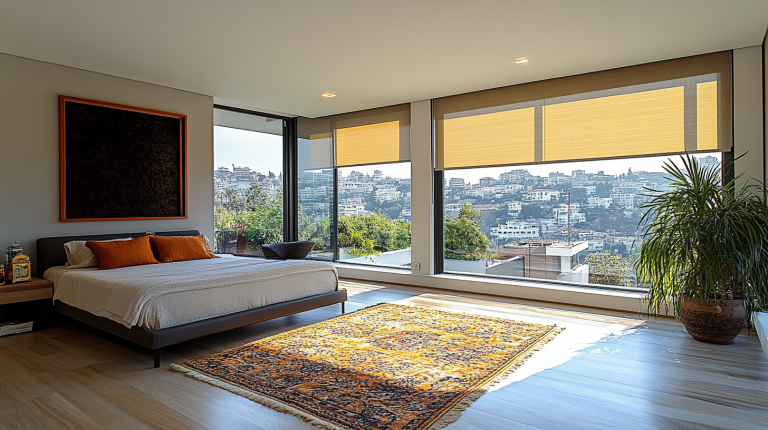
Coastal homes face a mix of hot summers, bright glare, salty air, shifting breezes, and sudden weather changes. When you have large windows, those outdoor conditions can move straight through the window glass and affect the whole room fast. That is why many homeowners look for a window covering that helps keep indoor temperatures steadier, without sacrificing style or natural light.
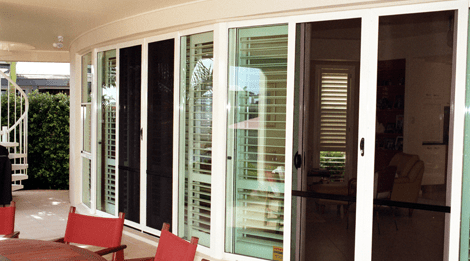
Plantation shutters insulation simply means using plantation shutters to help create a more comfortable living environment by adding an extra layer between the window and your interior space. When window shutters close over the window opening, the shutter panels sit in front of the glass and within the window frame, helping with temperature control, privacy control, and light management.
Plantation shutters offer practical benefits that fit coastal living:
- Control over glare and direct sunlight
- Better privacy without needing heavy curtains
- A flexible way to bring in more light when you want it
- A clean look with strong aesthetic appeal
When plantation shutters help manage sunlight and drafts, many homeowners notice their home feels more stable and comfortable throughout the day.
How Do Plantation Shutters Block Heat By Managing Direct Sunlight, The Sun’s Rays, And UV Rays?
Sunlight can warm a room quickly, especially during the hot summer months. That heat gain is one reason energy bills and cooling costs can rise when air conditioning runs for long hours. Windows are often a major pathway for heat gain because the sun’s rays pass through window glass and warm surfaces inside the home.
This is why people say plantation shutters block heat. When shutters are closed, they form an effective barrier that helps reduce the impact of direct sunlight. When you angle the louvres using the tilt rod, you can keep blocking direct sunlight while still letting in natural light. It is a practical balance between comfort and brightness.
In everyday use, plantation shutters help you manage:
- Glare during peak sun hours
- UV rays that contribute to fading and heat build-up
- Heat gain that pushes your cooling system to work harder
Because plantation shutters offer adjustable control, you are not stuck choosing between a dark room and a hot room.
How Do Insulated Shutters Create An Air Gap, Thermal Barrier, And Insulating Barrier To Reduce Heat Transfer?
A key reason insulated shutters can feel more comfortable is the air gap they can create. When shutters close and fit snugly, a pocket of still air can form between the shutter and the window glass. Still air slows heat flow, which helps reduce heat transfer into the room in summer and out of the room during cooler weather.
That air gap supports an insulating barrier and a thermal barrier effect. While shutters are not the same as wall insulation, the principle is similar: slowing heat movement helps the room hold a more stable temperature.
To get the best performance, aim for:
- A snug fit that reduces unwanted airflow
- A tight seal around edges where possible
- Solid construction so panels sit evenly and close properly
When shutters create that extra layer, indoor temperatures can feel less “swingy,” which supports comfort even when coastal weather changes quickly.
Which Insulation Methods And Insulating Material Factors Support Excellent Insulation And Thermal Efficiency?
Not all insulation methods work the same way, and not all window coverings deliver the same comfort. For plantation shutters insulation to feel truly effective, the details matter. Good performance usually comes from a combination of fit, structure, and sensible design choices.
Here are practical factors that support excellent insulation and thermal efficiency:
- Precise fit: Made-to-measure shutters reduce gaps, which supports a more reliable insulating barrier.
- Panel design: Well-built shutter panels that close neatly reduce heat flow and drafts.
- Insulating material considerations: Material choice affects durability, stability, and how consistently the shutters hold shape over time.
- Solid construction: Strong build quality helps shutters close evenly and maintain their insulating barrier effect.
- Style choices: Full-height shutters can support stronger insulation and light control. Café style shutters can provide privacy while still allowing more light from the top section.
You might hear insulation discussed using an R-value in other parts of a home. Shutters are not a substitute for roof or wall insulation, but they can still improve the comfort of a room by reducing heat transfer at the window. For many homeowners, that comfort improvement is what matters most.
How Do Plantation Shutters Insulate Compared With Window Glass Upgrades Like Double Glazing?
It helps to be clear about what each approach does. Some improvements change the window itself. Others add a layer on the inside to control heat transfer, light, and airflow.
Double glazing improves the window glass by using more than one pane with a sealed space, which can reduce heat transfer. Plantation shutters work differently. They add an extra layer across the inside face of the window, which can reduce heat flow and help control how sunlight enters the space.
If you are comparing options, here is a simple way to think about it:
- Double glazing improves the performance of the glass.
- Plantation shutters insulate by adding a barrier and controlling direct sunlight.
- Together, they can provide a stronger overall comfort effect than either one alone.
If you already have double glazing, shutters can add day-to-day control and another insulating layer. If you do not have double glazing, plantation shutters can still significantly improve comfort because they reduce heat gain and support a steadier indoor feel.
How Do Plantation Shutters Compare With Curtains, Blinds, Traditional Blinds, And Other Window Treatments?
Many homes already have blinds, curtains, or a mix of other window treatments. Each option has strengths, but results depend heavily on fit and coverage.
- Curtains can help with glare and privacy, especially if they cover the window fully and sit close to the frame.
- Blinds and traditional blindscan help with light control, but gaps and loose edges can reduce insulation benefits.
- Other window treatments may look good, but performance varies depending on how well they cover the window and how they manage airflow.
Plantation shutters stand out because they combine structure with control. Plantation shutters help manage light, airflow, and privacy while also supporting insulation by creating an extra layer. That is where their dual functionality becomes useful, especially for coastal homes with large windows and strong sunlight.
If you want a practical way to compare comfort performance, consider:
- How well the window covering seals around the window frame
- Whether it reduces heat transfer during the day
- Whether it helps reduce heat loss at night
- How easy it is to adjust for natural light and privacy control
How Can Energy Efficiency Improvements Reduce Energy Bills, Energy Costs, Cooling Costs, And Energy Consumption With Air Conditioning?
When a room heats up fast, air conditioning often has to run harder and longer. That increases energy consumption and can push up energy bills and utility bills over time. Windows are a common source of heat gain, so improving window comfort can support better overall energy efficiency.
Plantation shutters can help because they:
- Reduce heat gain by limiting direct sunlight and the sun’s rays entering the room
- Help reduce heat transfer so indoor temperatures stay steadier
- Support more comfortable temperature control, which can reduce the overuse of cooling
This is one reason plantation shutters are often described as energy efficient. The goal is not a magic fix, but a practical improvement that reduces strain on your cooling routine. When your home stays cooler naturally, it can lower cooling costs and help keep energy costs more manageable.
How Do Heating And Cooling Habits Work With A Hvac System For Temperature Control, Heat Loss Reduction, And A Home Cooler Feel?
Your HVAC system works best when the home is not constantly fighting heat flow through windows. Shutters can support better heating and cooling results because they help regulate sunlight, airflow, and insulation at the window.
Here are simple habits that help plantation shutters do their job:
- Close shutters on sun-facing windows during the hottest part of the day to reduce heat gain.
- Angle louvres with the tilt rod so you still get natural light without harsh direct sunlight.
- Close shutters in the evening to reduce heat loss and help keep warm air inside.
- Avoid constant heating by using shutters as an extra layer during cooler nights.
These habits help reduce heat transfer and can support steadier indoor temperatures. Over time, many homeowners notice fewer hot spots near large windows and fewer chilly drafts in cooler weather.
When shutters create a tight seal and an insulating barrier, they also help reduce unnecessary heat flow, which supports a more comfortable living environment and better year round comfort.
Final Thoughts
Plantation shutters insulation is a practical, everyday approach to improving comfort in coastal homes. By helping control direct sunlight, reducing heat gain, and creating an air gap that supports an insulating barrier, plantation shutters can help reduce heat transfer and smooth out temperature swings. That can mean a home that feels more comfortable, more consistent, and easier to manage through hot summers and cooler weather.
The biggest difference usually comes down to fit and daily use. When shutters are made-to-measure for a precise fit, designed to fit snugly within the window frame, and built with solid construction, they become more than just a window covering. They become an extra layer that supports thermal efficiency, comfort, and the kind of privacy and light control people want in real life.
For made-to-measure plantation shutters designed for coastal living, with a FREE measure and quote, visit Harlequin Blinds & Security.
Works Cited
“Harlequin Blinds & Security.” Harlequin Blinds & Security, https://harlequinblindsandsecurity.com.au/. Accessed 26 Jan. 2026.
“Plantation Shutters.” Harlequin Blinds & Security, https://harlequinblindsandsecurity.com.au/shutters/plantation-shutters/. Accessed 26 Jan. 2026.
“Shutters.” Harlequin Blinds & Security, https://harlequinblindsandsecurity.com.au/shutters/. Accessed 26 Jan. 2026.
“Windows.” energy.gov.au, https://www.energy.gov.au/households/windows. Accessed 26 Jan. 2026.
“Passive Cooling.” Your Home, https://www.yourhome.gov.au/passive-design/passive-cooling. Accessed 26 Jan. 2026.
“Passive Design.” Your Home, https://www.yourhome.gov.au/passive-design. Accessed 26 Jan. 2026.
“Building Sealing.” National Construction Code 2022: Housing Provisions, https://ncc.abcb.gov.au/. Accessed 26 Jan. 2026.