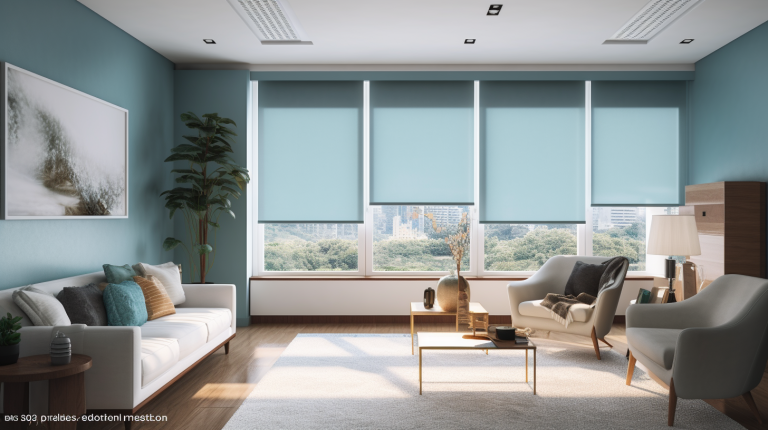
What Are Sunscreen Blinds and How Do Sunscreen Roller Blinds Work?
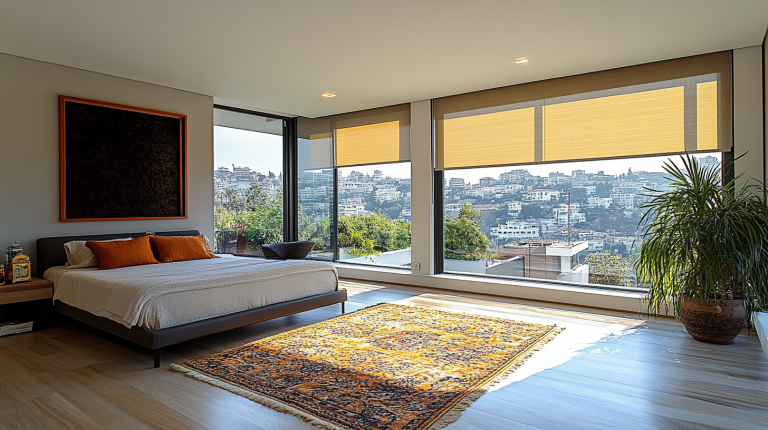
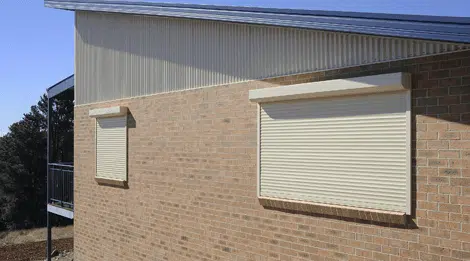
Sunscreen blinds are window coverings made from a mesh-type fabric that filters sunlight to reduce glare and heat while preserving views and natural light. Sunscreen roller blinds use a tidy roll mechanism and brackets to raise or lower a single sheet of fabric that sits inside or in front of the window frame. The weave controls light filtering, so rooms feel bright with a soft glow rather than harsh direct sunlight. Because the fabric helps in blocking harmful UV rays, these blinds provide protection for furniture and interiors without making spaces feel shut in. For Sunshine Coast homes and other bright Australian interiors, they are an excellent choice when you want control without losing outlook.
In practice, the fabric density and colour influence performance. Lighter fabrics allow more light in and keep spaces bright, while darker fabrics often reduce screen glare and can absorb more heat near the glass. High-quality fabrics are engineered to manage UV rays and heat, so you notice the difference during hotter hours. If your house has wide openings that receive direct sunlight, sunscreen blinds deliver practical control while maintaining a calm, open feel.
How Do Roller Blinds, Sheer Roller Blinds, and Sheer Blinds Balance Light Control and Daytime Privacy?
Roller blinds are simple, reliable window treatments that offer predictable control for daily use. Sheer roller blinds and sheer blinds add softness to the room and allow more light to pass while moderating glare. During the day, brighter exterior light makes the fabric appear more reflective, which supports daytime privacy while still letting you enjoy the view. At night, when it is brighter indoors, sheer fabrics provide less complete privacy. That is why many living rooms and living areas pair a sunscreen cloth for the day with a second blockout option in the evening.
For a warmer, layered look, combine sunscreen blinds with sheer curtains. The mix of textures helps your window furnishings complement the room’s aesthetic, adds gentle movement to the space, and keeps light control flexible.
When Should You Choose Double Roller Blinds with Blockout Blinds for Complete Privacy?
Double roller blinds, often called double rollers, place two fabrics on one set of brackets. A front sunscreen filters light and lowers glare through the day, while a rear blockout blinds layer provides complete privacy at night. Some homeowners describe this rear layer as blockout roller blinds, but the effect is the same. The pairing gives you two levels of control in one tidy system, with the option to shift between daytime privacy and full blockout.
Use this configuration in bedrooms, media rooms, and bathrooms where privacy, darkness, and heat reduction matter most. The blockout layer helps reduce early morning light, and the sunscreen layer lowers glare and perceived heat during the day. If you want a full range of control across one opening, double roller blinds deliver a clear difference without changing the clean style of a roller.
How Do Clean Sheer Roller Blinds Keep Natural Light While Reducing Glare and Heat?
Clean sheer roller blinds and sunscreen fabrics are designed for easy care. Routine upkeep usually involves a soft cloth or a lightly damp cloth to lift dust from the fabric. Avoid abrasive cleaning, then allow the blind to air dry in place. This simple care supports long-term performance, preserves the fabric appearance, and keeps your window coverings looking fresh.
In warmer months, these fabrics can reduce perceived heat because they diffuse direct sunlight into a softer, more comfortable light. That means less glare on screens and improved visual comfort for tasks in the room. The result is a bright, usable space that still feels calm and controlled, even when windows receive more heat for long parts of the day.
Where Do Panel Glides (panel blinds) Fit Best and How Do They Work with Doors and Larger Openings?
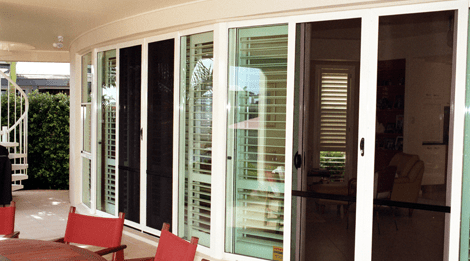
Panel Glides are wide fabric panels that slide along a discreet track, which makes them suitable for sliding doors, large windows, and open plan areas. Panels stack neatly to one side or split from the centre, so you can keep walk-through access while managing sunlight and privacy. If you select a sunscreen fabric for the panels, you maintain views and natural light, which helps living areas feel larger and more connected to the outdoors.
Because Panel Glides sit closer to the wall than many curtains, they suit contemporary spaces where you want a modern touch with minimal projection. They can be supplied and installed to match the colour scheme, and you can partner them with roller options in adjacent rooms for a consistent style across the house.
What Is a Recess Fit and How Do You Measure for a Perfect Fit in the Window Frame?
A recess fit places the blind within the window frame. It looks tidy, saves space, and reduces light gaps when measured correctly. To measure, note the width and drop in three places each, then use the smallest numbers. This helps the product suit the opening and achieve a perfect fit. The alternative is a face fit, which mounts the brackets on the wall or architrave. Face fit can cover a larger area, which may improve light control on frames with irregular lines.
Consider where the fabric will roll. A standard roll positions fabric closer to the glass, which reduces light bleed. A reverse roll brings the fabric forward, which can clear handles and trim and present a smoother front. A professional installer will confirm the best option for your window and materials, then install the blinds with suitable fixings for safe, long-term control.
Which Fabrics, Colours, and Materials Suit Your Room’s Aesthetic and Colour Scheme?
Start with function, then move to style. Ask how much light you want, how much heat you want to moderate, and how much glare you need to reduce. From there, consider the room’s aesthetic. If the space uses a grey palette and clean lines, a sunscreen cloth in cooler colours looks refined. A coastal interior with warmer tones might suit lighter fabrics that lift the mood. Roman blinds in textured materials add softness and can partner with sunscreen blinds to give a layered look that works across many interiors.
Keep furniture in mind so your window treatments complement the colour scheme. Match tones, avoid clashes, and use consistent finishes across adjoining rooms. For bathrooms, choose fabrics that are rated for moisture resistance where suitable. If a space receives more heat through much of the day, lean toward fabrics designed for stronger solar control to protect interiors and reduce glare without losing natural light.
How Do Motorised Blinds and Smart Controls Add Convenience at a Practical Price?
Motorised blinds give you remote control at the touch of a button. Timers and sensors can lift or lower blinds to manage heat and sunlight automatically. Many systems integrate with smart home systems or voice assistants, so you can set routines that suit your day. Automation reduces the need to reach difficult windows, improves child safety by removing cords, and keeps consistent light control across multiple rooms.
Motorisation is an excellent choice for tall windows, large door openings, and living areas where you want a modern touch without visual clutter. The price varies by window size, hardware choice, and fabric selection. The difference often comes from how many blinds you automate and the level of control you choose. For most homes, a staged approach is suitable. Start with heat-prone rooms, then expand as needed.
Selection tips that keep decisions simple
- Define your light control needs first. Decide on glare reduction, daytime privacy, and evening privacy.
- Shortlist a range of fabrics and colours, then view samples in the room to see the soft glow or shade in real conditions.
- Confirm whether a recess fit or face fit will give a better result around your window frame and trim.
Installation steps that protect the finish and function
- Measure carefully or book a professional measure and install to ensure a perfect fit.
- Confirm where the fabric will roll to clear handles and trims.
- Make sure brackets and fixings suit your wall or frame materials for safe mounting.
Care tips for long, reliable service
- Dust regularly with a soft cloth and spot clean marks with a damp cloth.
- Avoid vigorous scrubbing, then allow the blind to dry naturally.
- Operate blinds smoothly to protect hardware and fabric.
Where are sunscreen products most suitable
- Living rooms and living areas that need view and light with less glare.
- Home offices that benefit from even, light filtering across the workday.
- Kitchens and bathrooms where appropriate fabrics can handle moisture.
- Bedrooms that pair sunscreen with Complete Blockout Blinds for complete privacy at night.
Throughout your home, sunscreen fabrics help manage sunlight and heat while preserving outlook. By choosing the right fabric openness, colour, and mechanism, your blinds work as a coordinated part of your window furnishings and window treatments rather than an afterthought.
Ready to get the measure, supply, and install handled by local experts with a full range of styles, colours, and controls? Visit Harlequin Blinds & Security to explore sunscreen blinds, Panel Glides, rollers, and motorised options that suit your room, your style, and your budget. Call now at (+61) 7-5476-9888.
Final Thoughts
Sunscreen blinds give practical, everyday control of light, glare, and heat while keeping rooms bright and welcoming. When chosen well, they protect furniture from UV rays, improve comfort in spaces that receive direct sunlight, and support a consistent interior style. Combine them with blockout for night privacy, consider Panel Glides for wide openings, and add motorised blinds where convenience matters. With careful selection and a precise install, you will enjoy a perfect fit and smooth roll that looks good and performs reliably for years.
Works Cited
ARPANSA. “Ultraviolet Radiation.” Australian Radiation Protection and Nuclear Safety Agency, www.arpansa.gov.au/understanding-radiation/radiation-sources/more-radiation-sources/ultraviolet-radiation.
Australian Government, Department of Climate Change, Energy, the Environment and Water. “YourHome: Shading.” YourHome, www.yourhome.gov.au/passive-design/shading.
Sustainability Victoria. “Curtains and Blinds.” Sustainability Victoria, www.sustainability.vic.gov.au/energy-efficiency-and-reducing-emissions/at-home/curtains-and-blinds.
Australian Government, Department of Climate Change, Energy, the Environment and Water. “YourHome: Windows and Glazing.” YourHome, www.yourhome.gov.au/materials/windows.
Energy.gov.au. “Energy Efficient Homes: Windows.” Australian Government, www.energy.gov.au/households/energy-efficient-home/windows.
Frequently Asked Questions:
Can sunscreen blinds provide privacy at night?
During the day they offer strong daytime privacy, but at night interior lights make sheer fabrics easier to see through. For complete privacy after dark, pair sunscreen blinds with blockout blinds using double roller blinds so you can switch between view and full cover.
What is a recess fit and how do I measure for a perfect fit?
A recess fit sits the blind within the window frame for a tidy look and minimal light gaps. Measure width and drop in three places and use the smallest numbers, then confirm whether a standard roll or reverse roll will clear handles and trim for the perfect fit.
Are Panel Glides suitable for sliding doors and wide openings?
Yes. Panel Glides (panel blinds) use wide fabric panels that glide on a track, making them ideal for sliding doors and large windows. Choose sunscreen fabric to keep natural light and views while easing heat and glare in living areas.
How do I clean and care for sunscreen fabrics and sheer roller blinds?
Dust regularly with a soft cloth and spot clean marks with a lightly damp cloth, then allow the fabric to dry naturally. Avoid harsh scrubbing or chemicals to protect the fabric, colour and smooth roll over time.