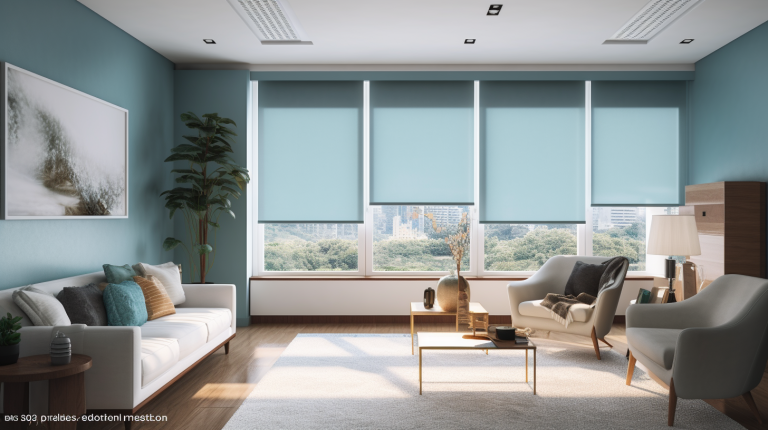
If your home feels hot and stuffy, the answer is not always “more air conditioning.” Often, you can get better comfort by combining shade with proper airflow. That is what window awnings airflow is really about: stopping harsh sun before it hits the glass, while still allowing airflow so your rooms do not trap heat or turn into stagnant air pockets.
This matters across Australia because our climate can swing from dry heat to humid wet weather, and many homes have a mix of window styles. Whether you have awning windows, sliding windows, double hung windows, or fixed windows, the goal stays the same: protect the interior from heat gain, keep fresh air moving when conditions allow, and maintain a home that feels usable year round.
How Does Window Awnings Airflow Work To Create Controlled Airflow Without Blocking Natural Light?
Window awnings airflow works best when you treat shade and ventilation as one system, not two separate fixes. An awning sits on the exterior surface and helps block direct sun, which reduces heat gain through windows and helps protect walls and interiors. But airflow still matters because a shaded room can still feel uncomfortable if the air is not moving.
A smart setup aims for controlled airflow rather than random draughts. That means thinking about:
- Where air comes in and where it leaves the room
- How much sun hits each window based on the home’s orientation
- How you can keep ventilation going while maintaining privacy
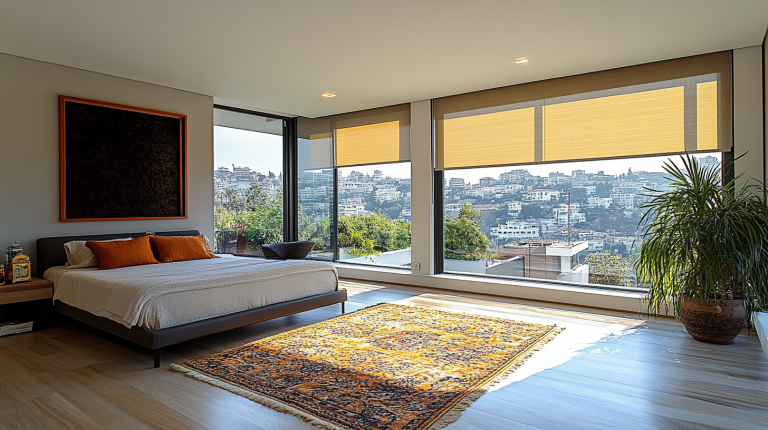
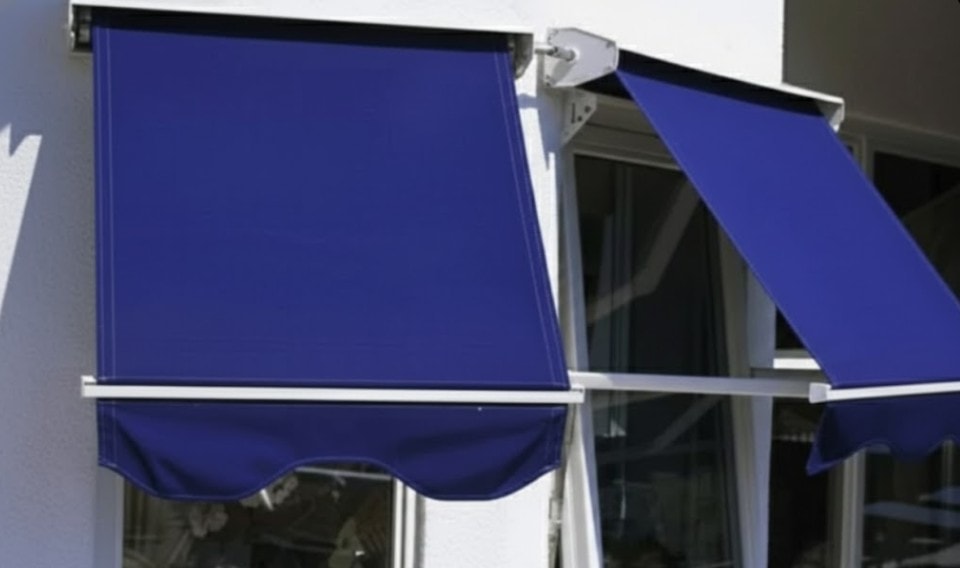
This is why external awnings are useful in real life. When positioned well, they help you control glare and heat while still keeping natural light. Some awning designs also allow airflow between the fabric and the window, which helps you avoid a hot air build-up right against the glass.
What Do Awning Windows And Sliding Windows Need For Proper Airflow And Natural Ventilation?
Different window styles move air differently, so it helps to know what you already have.
Awning windows typically use a top-hinged design and an outward-opening design. They open outward, which can help pull breezes into a room and support excellent ventilation. Because they open outward, they can also help direct flow upward, which may feel more comfortable in living spaces when the air is warm.
Sliding windows are often chosen for a space saving design. They are helpful where there is limited space, like near walkways or tight side passages, because nothing swings out into the space. However, sliding windows sometimes provide a smaller open area compared to other window styles, so you may need to plan multiple openings for superior ventilation.
Double-hung windows can support airflow by opening at the top and bottom, which can help warm air exit while cooler air enters. fixed windows and fixed lites do not open at all, so they rely on nearby openings, doors, or ventilation systems.
Worth noting: if a room feels stuffy even when windows are open, the issue may be airflow pathways, not just the window itself. You want allowing airflow through the room, not just letting air in and hoping it finds its way out.
How Can Air Conditioning And Energy Efficiency Work Together With Window Awnings Airflow?
Air conditioning is useful, but many households want to reduce how hard it has to work. External shading and natural ventilation are both recognised parts of practical passive cooling strategies for Australian homes.
Here is the simple idea:
- Shade reduces heat gain before it enters the room
- Ventilation removes warm indoor air and replaces it with fresh air when outdoor conditions are suitable
- Air conditioning becomes the backup, not the only plan
This is where energy efficiency becomes real, not just a buzzword. When your rooms stay cooler naturally, your air conditioning can cycle less often, which helps lower running costs.
A practical routine for many homes looks like this:
- Morning: use ventilation to flush out warm indoor air and bring in fresh air
- Midday heat: close up the sun-facing side and rely on shade to protect the room
- Late afternoon: reopen for natural ventilation once outdoor heat drops
If you are aiming for an energy-efficient home, this “shade first, then ventilation, then cooling” approach is usually easier to maintain than trying to cool a sun-baked room after the fact.
Why Do Aluminium Awning Windows And Double Glazing Matter When You Add External Awnings?
Some homeowners upgrade windows as part of a renovation, while others keep their existing windows and improve comfort through shading and airflow. Either way, it helps to understand how windows affect thermal efficiency.
Aluminium awning windows are common in Australian homes because they are durable, suit many architectural styles, and can be finished to match different looks. In coastal and humid areas, materials that resist rust and hold up to harsh weather conditions can be an important part of long-term performance.
Double glazing can improve thermal efficiency by reducing heat transfer through the glass. If your home already has double glazing, external shading still matters because it reduces the amount of radiant heat reaching the glazing in the first place.
It is also worth noting that comfort is not just glass and frames. Air leakage around frames and gaps can undermine performance. Even great glazing will struggle if warm air creeps in where it should not. That is why the combination of good sealing, the right shade, and proper airflow is more reliable than relying on a single upgrade.
If you plan to install awning windows during a renovation, external awnings can still play a key role in keeping rooms comfortable. The awning and the window do different jobs, and together they support airflow and shade.
How Do Fixed Lites And Fixed Windows Keep Natural Light While Avoiding Stagnant Air?
Fixed lites and fixed windows are great for bringing in natural light, keeping clean sight lines, and supporting certain window styles in modern designs. But because they do not open, they can contribute to stagnant air if the room does not have another ventilation path.
If a room has large fixed windows, you can still get excellent ventilation by pairing them with:
- An openable window nearby (like awning windows or sliding windows)
- A shaded opening that can be used more often without harsh glare
- A pathway for warm air to leave the room
The key is to think in terms of flow. Air needs a way in and a way out. In many homes, this is easier when your openings are shaded, because people are more likely to actually use them during hot periods. When strong sun hits a window, many people keep it closed, which can trap heat and reduce ventilation.
Shading and airflow planning becomes even more important in rooms that need comfort without sacrificing light, such as living areas and kitchens where you want brightness but not heat.
How Can Awnings Support Ventilation In Harsh Weather Conditions, Light Rain, And Wet Weather?
Australian weather can change quickly. A good window awnings airflow plan helps you keep comfort flexible, even when rain shows up.
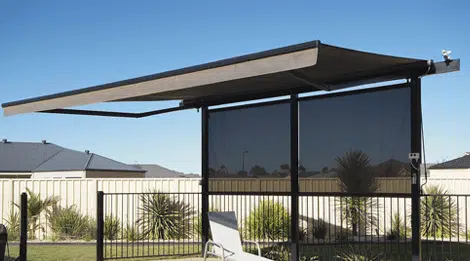
Some external awning systems are designed so that, when lowered, they allow airflow between the fabric and the window. That is helpful because you can still get ventilation without leaving the window fully exposed. Pivot arm awnings also create a larger area between the awning and window, enabling greater air circulation while still allowing wind-out windows to open.
For wet weather, think about these practical habits:
- If there is light rain, you may be able to keep some windows slightly left open for airflow, depending on wind direction
- If wind picks up, close openings early to prevent rain being driven inside
- Use shading to reduce heat even when you cannot rely on ventilation
“Keeping rain out” is not about leaving everything open. It is about having options that let you adjust ventilation safely and quickly. The goal is protection and comfort, not pushing the limits during storms.
How Do You Choose The Right Window And Window Styles For Ground Floor Rooms And Bathrooms While Maintaining Privacy?
The right window choice is often about the room’s purpose, not just looks. ground floor rooms and bathrooms usually need two things at the same time: airflow and privacy.
For bathrooms, ventilation matters because moisture can build up quickly. If damp air lingers, you get discomfort and, over time, damage. For ground-floor living areas, people often avoid opening windows because they feel exposed, which can lead to stale rooms and less natural ventilation.
A better approach is to combine:
- Window styles that can be opened in a controlled way
- External shading that reduces direct sun and glare
- Screening and security solutions that support airflow and safety
Ask yourself:
- Can this room get fresh air without opening wide to the street or neighbours?
- Does the shade solution suit the home’s orientation and the strongest sun angles?
- Do I need protection from glare, heat, or both?
When you match shade and ventilation to the room and its exposure, you get a result that feels easy to live with.
How Can Enhanced Security And Added Security Protect Ventilation Without Being Easy To Force Open?
Many people want ventilation but worry about safety, especially overnight or when they are not home. This is where enhanced security and added security matter.
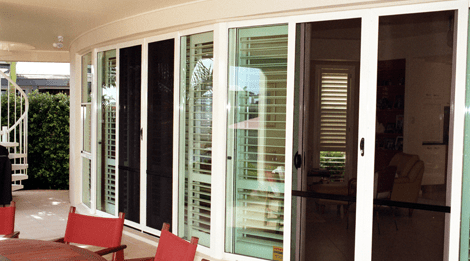
A practical way to keep airflow without feeling exposed is to use security screens and doors that are designed to protect openings while still letting air move. Harlequin’s security screens are positioned as a way to improve safety without sacrificing air flow, and they are described as standing up to harsh weather and force applied from intruders. Their broader security range is described as built to withstand determined break-in attempts and backed by a 10-year warranty.
This matters because ventilation should not be a weak point. If you rely on open windows alone, you may feel like you must choose between comfort and security. With the right setup, you can:
- Keep airflow moving through the room while staying secure
- Reduce the temptation to close up and rely only on air conditioning
- Improve everyday safety without losing functionality
If you are planning an upgrade, treat security as part of the airflow plan. It is a crucial factor for real homes, especially on ground levels.
What Is The Practical Next Step If You Want Better Airflow, Shade, And Comfort?
If your goal is window awnings airflow that actually works day to day, focus on solutions that suit your home’s rooms, layout, and exposure. Harlequin’s range includes multiple outdoor awning styles designed to improve shade and comfort, with options that support airflow and greater air circulation around windows.
A powerful next step is to speak with the expert team at Harlequin Blinds & Security about outdoor awnings and security screens that suit your space, style, and protection needs.
When you plan shade and ventilation together, the home feels calmer. Rooms stay brighter without as much heat, airflow feels more comfortable, and you can use your indoor and outdoor areas more confidently year-round.
See outdoor awnings and security solutions at Harlequin Blinds & Security or call at 617-5476-9888.
Works Cited:
Australian Government. “Windows.” Energy.gov.au, Australian Government, https://www.energy.gov.au/households/windows. Accessed 11 Jan. 2026.
Australian Government. Department of Climate Change, Energy, the Environment and Water. “Passive Cooling.” YourHome, https://www.yourhome.gov.au/passive-design/passive-cooling. Accessed 11 Jan. 2026.
Australian Government. Department of Climate Change, Energy, the Environment and Water. “Shading.” YourHome, https://www.yourhome.gov.au/passive-design/shading. Accessed 11 Jan. 2026.
Harlequin Blinds & Security. “Outdoor Awnings Sunshine Coast.” Harlequin Blinds & Security, https://harlequinblindsandsecurity.com.au/awnings/. Accessed 11 Jan. 2026.
Harlequin Blinds & Security. “Pivot Arm Awnings.” Harlequin Blinds & Security, https://harlequinblindsandsecurity.com.au/awnings/pivot-arm-awnings/. Accessed 11 Jan. 2026.
Harlequin Blinds & Security. “Auto Guide Awnings.” Harlequin Blinds & Security, https://harlequinblindsandsecurity.com.au/awnings/auto-guide-awning/. Accessed 11 Jan. 2026.
Harlequin Blinds & Security. “Security Doors & Screens Sunshine Coast.” Harlequin Blinds & Security, https://harlequinblindsandsecurity.com.au/security/. Accessed 11 Jan. 2026.
Harlequin Blinds & Security. “Window Screens.” Harlequin Blinds & Security, https://harlequinblindsandsecurity.com.au/security/window-screens/. Accessed 11 Jan. 2026.